
Understanding environmental allergies in the UAE and how to manage them
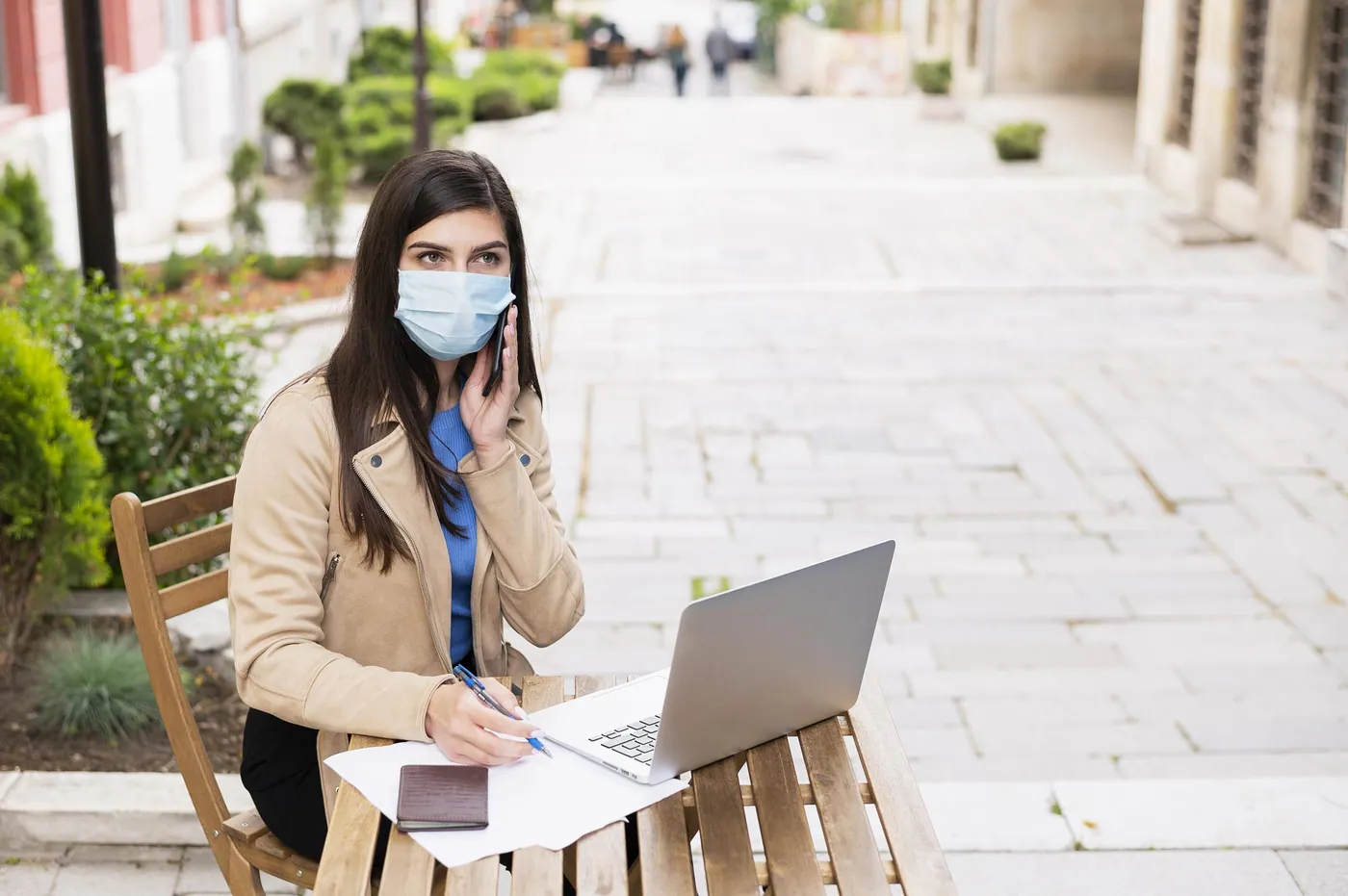
Environmental allergies are a common health concern in the UAE due to its unique climate and surroundings. Factors such as desert dust, high humidity, air pollution, and indoor allergens contribute to year-round allergy symptoms for many residents. Understanding the causes, symptoms, and management options can help individuals reduce discomfort and improve their daily lives.
Common Environmental Allergy Triggers in the UAEThe UAE’s arid environment makes airborne allergens especially challenging. Some of the most common triggers include:
- Dust and sand particles: Frequent dust storms carry fine particles that irritate the nose, eyes, and airways.
- Pollen: Date palms, grasses, and weeds release pollen that can trigger seasonal allergic reactions.
- Mold spores: High humidity, especially in coastal areas, promotes mold growth in homes and offices.
- Air pollution: Vehicle emissions and construction dust can worsen allergy symptoms.
- Indoor allergens: Dust mites, pet dander, and poorly maintained air conditioning systems are major contributors.
Environmental allergies can affect people of all ages. Symptoms may vary in intensity and can sometimes be mistaken for a common cold. Typical symptoms include:
- Sneezing and nasal congestion
- Runny or blocked nose
- Itchy, watery, or red eyes
- Throat irritation or coughing
- Shortness of breath or wheezing (in sensitive individuals)
- Fatigue due to poor sleep caused by nasal blockage
If symptoms persist for weeks or recur frequently, professional evaluation is recommended.
How Environmental Allergies Are DiagnosedAt a specialized allergy clinic, diagnosis usually involves a detailed medical history, physical examination, and allergy testing. Skin prick tests or blood tests help identify specific allergens responsible for symptoms. Accurate diagnosis is essential for creating an effective treatment plan.
Managing Environmental Allergies EffectivelyWhile environmental allergens cannot be completely avoided, symptoms can be controlled with the right approach:
Practical Daily Measures- Keep windows closed during dusty or high-pollen days
- Use air purifiers and maintain air conditioning filters
- Clean floors and surfaces regularly to reduce indoor dust
- Avoid outdoor activities during dust storms
- Shower and change clothes after spending time outdoors
- Antihistamines to reduce sneezing and itching
- Nasal sprays to ease congestion and inflammation
- Eye drops for allergic conjunctivitis
- Immunotherapy (allergy shots or drops) for long-term relief in suitable patients
An allergy specialist can recommend the most appropriate treatment based on symptom severity and lifestyle.
When to Visit an Allergy ClinicIf allergies interfere with daily activities, sleep, or work performance, it is important to seek medical care. Children, individuals with asthma, and those with recurring sinus infections should be assessed early to prevent complications.
Long-Term Relief and PreventionLong-term management focuses on identifying triggers and reducing exposure while following a personalized treatment plan. With proper care and regular follow-ups, most patients can maintain good symptom control throughout the year.
Understanding environmental allergies and taking timely action can significantly improve comfort and overall well-being in the UAE’s challenging climate.
The information on this website is general and is not a substitute for a medical consultation.