


Can Vaccines Trigger Allergic Reactions? What Experts Say
May 15, 2026
Flu Vaccination for Patients With Asthma and Allergies
May 17, 2026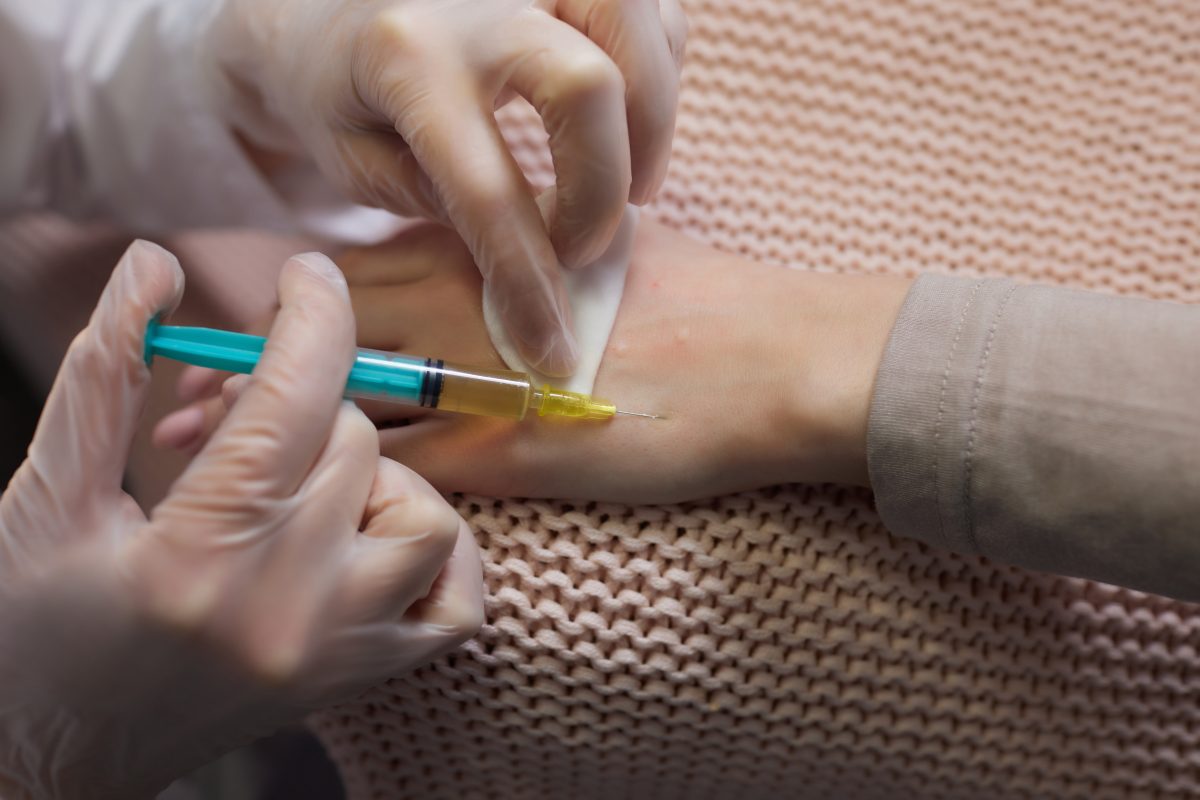
What Is Plasma Therapy and How Does It Support Healing?
In the evolving landscape of regenerative medicine, Plasma Therapy—frequently referred to as Platelet-Rich Plasma (PRP) therapy—has emerged as a groundbreaking treatment for accelerating the body’s natural healing processes.
What is Plasma Therapy?
Plasma therapy is a biological treatment that utilizes a concentrated dose of a patient’s own platelets to repair damaged cartilage, tendons, ligaments, muscle, and skin.
To understand how it works, we first look at the blood's composition. Blood is primarily a liquid (plasma), but it contains small solid components: red cells, white cells, and platelets. While platelets are best known for their role in clotting, they also contain hundreds of proteins called growth factors which are essential in the healing of injuries.
How the Procedure Works
The process is straightforward, safe, and typically takes less than an hour:
- Blood Draw: A small amount of blood is drawn from the patient, similar to a routine blood test.
- Centrifugation: The blood is placed in a centrifuge, a machine that spins at high speeds to separate the blood components.
- Concentration: The concentrated platelets are extracted and "activated."
- Injection: This potent plasma is injected directly into the injured or diseased body tissue.
By delivering a high concentration of growth factors to the specific site of inflammation or injury, the therapy "jumpstarts" the repair biomechanics that might have stalled due to chronic conditions or poor circulation.
How It Supports Healing and Recovery
Plasma therapy doesn't just mask pain; it addresses the underlying structural issue. Here is how it supports the body:
- Reduces Inflammation: It helps manage chronic inflammation, which is often a barrier to recovery.
- Tissue Regeneration: The growth factors stimulate cell DNA to repair damaged tissues and create new collagen.
- Faster Recovery: For athletes or those with chronic joint pain, it significantly reduces downtime compared to surgery.
- Safety: Because the treatment uses the patient’s own blood, the risk of allergic reactions or rejection is virtually zero.
Applications in Allergy and Immunology
While widely known for sports injuries, plasma therapy is increasingly used to treat chronic skin conditions and autoimmune-related tissue damage. At Akbari Allergy Clinic, we explore these regenerative pathways to provide holistic care for patients suffering from long-term inflammatory responses.

