
Common Allergy Symptoms You Should Never Ignore
April 23, 2026
What Is Plasma Therapy and How Does It Support Healing?
May 17, 2026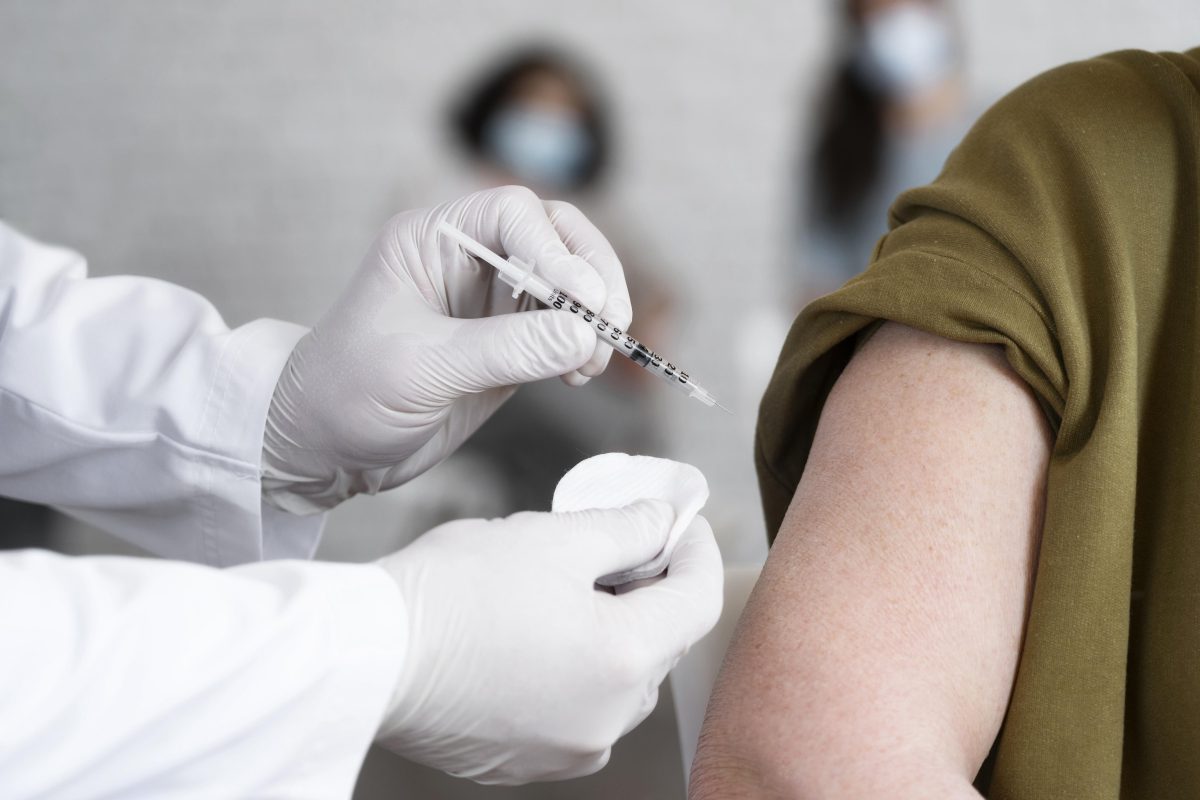
Can Vaccines Trigger Allergic Reactions? What Experts Say
One of the best ways to stay healthy is to get immunized. But for allergy sufferers, the prospect of a new injection can sometimes be accompanied by a certain anxiety. At Akbari Allergy Clinic, we believe that informed patients are empowered patients.
So, if you've ever asked yourself, "Can vaccines cause allergies?" The answer is yes, and the context is important. Below are the experts' answers on the risks, triggers, and how we keep you safe.
Is it common for people to have adverse reactions to vaccines?
It is important to recognize that allergic reactions to vaccines are not that common. The statistics show that severe reactions (anaphylaxis) happen in about 1 in every 1 million doses.
Many people confuse the typical side effects, such as the soreness of the arm, low fever, or redness at the site of the injection, with an allergy. These are all what is known as “normal,” and your immune system is trying to get a handle on the virus you are attempting to fight. A true allergic reaction is an overreaction of the immune system, specifically to an ingredient within the vaccine.
Common Triggers: What's inside the Vial?
If an allergic reaction does happen, it is unlikely to be the vaccine's "germ" component. Rather, the problem lies with the inactive ingredient, or "excipient," which helps to make up the formula.
Common triggers include:
Gelatin: A stabilizer in some live vaccines (such as the MMR- or Varicella vaccines).
Egg Proteins: Found in trace amounts in some influenza and Yellow Fever vaccines.
Polyethylene Glycol (PEG): In some mRNA vaccines.
Some natural rubber latex is found in the vial stoppers or in the syringe plungers, but not in the vaccine itself.
Identifying the Symptoms
The allergic reaction typically occurs within 15 to 30 minutes of giving the drug.
At Akbari Allergy Clinic, we are searching for these specific symptoms:
Skin: Hives (urticaria), itching, or flushing of skin.
Respiratory: Difficulty breathing, wheezing, or swollen tongue (angioedema).
Cardiac: Faintness, weak pulse, or fast pulse.
Your doctor at Akbari Allergy Clinic is an expert. Those with a history of severe allergies don't have to sacrifice safety for immunity. Our experts offer professional advice in the following ways:
Pre-Vaccination Screening: A review of your allergy history is done to determine any potential risks.
Skin Testing: In a few instances, we can test for certain vaccine components.
Graded Dosing: If it is necessary to give a vaccine with a suspected mild allergy, the dosage can be given in a graded manner under careful medical supervision.
Observation: We have a controlled setting where you are supervised over by specialists who have on hand epinephrine and advanced care equipment.
Your safety is our priority. Call Akbari Allergy Clinic today if you or your child has any questions about an upcoming vaccine or any history of reactions. You can always consult with our board-certified allergists.
Have any questions or concerns about a vaccine ingredient included in a specific dose?