Understanding environmental allergies in the UAE and how to manage them
February 16, 2026
How to treat food intolerance in Dubai?
February 26, 2026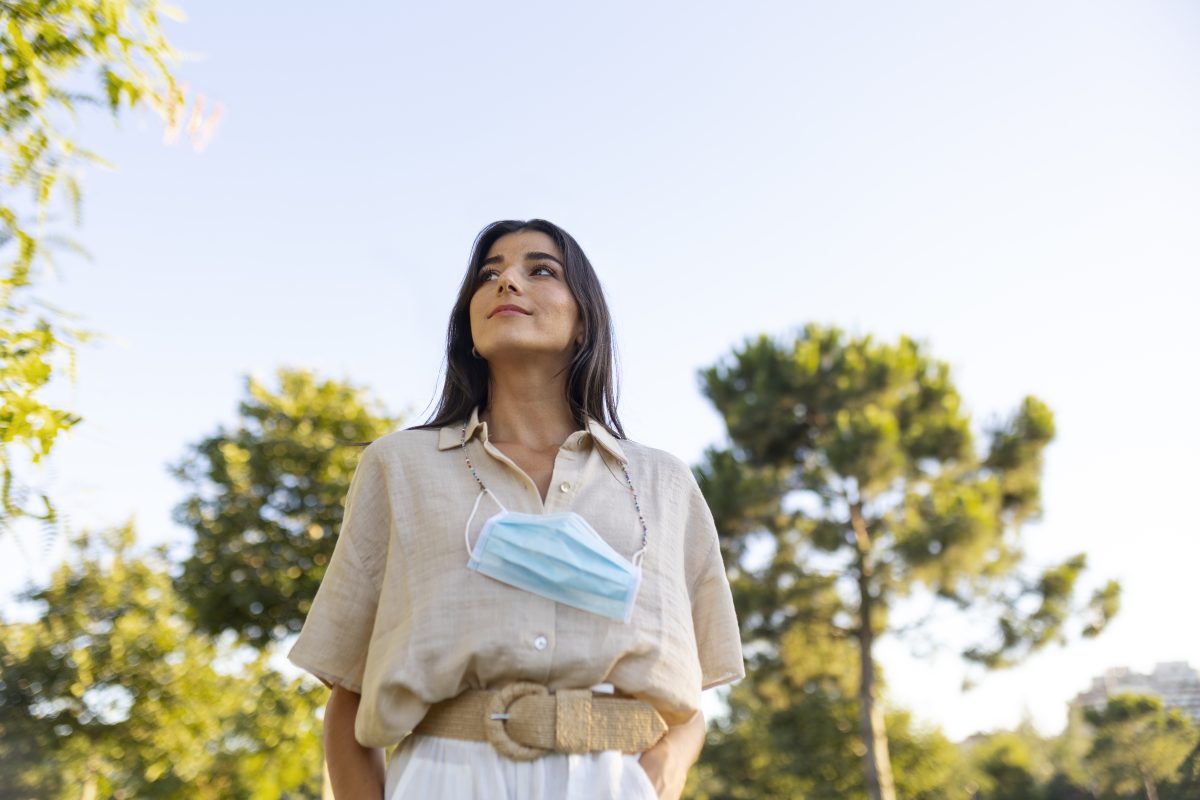
How to survive dust allergies in the UAE
Life in the UAE is associated with numerous benefits, but the frequent contact with dust may be a problem for those with dust allergies. Sneezing, nasal congestion, itchy eyes, and discomfort in breathing are frequently caused by sandstorms, dry weather, and the accumulation of dust indoors. Dust allergy can be controlled with the help of the right daily habits and with the assistance of medical advice.
Why Dust Allergies Are Common in the UAE
UAE climate is a desert climate that has high levels of dust and sand in the air throughout years. Symptoms can be aggravated by dust mites, pollen mingled with sand, and interior allergens of carpets and air-conditioning systems. Especially affected are people with asthma, allergic rhinitis, or sensitive sinuses.
Dust allergy is one of the Symptoms.
Allergies to dust may be mild or severe. Common signs include
- Frequent sneezing
- Runny or blocked nose
- Itchy or watery eyes
- Throat irritation and coughing.
- Exhalations, wheeze, or dyspnea.
- Drowsiness as a result of impaired sleep.
In case of the persistence of these symptoms or their interference with everyday life, a doctor should be consulted.
Effective Solutions to lessen dust exposure.
- Improve Indoor Air Quality
Close windows when it is dusty or windy. Indoor allergens can be minimized by the use of air purifiers equipped with HEPA filters and cleaning AC filters on a regular basis.
- Maintain a Dust-Free Home
Sofas and vacuum carpets with a HEPA-filter vacuum.
Flooring floors rather than dry sweeping.
Linen, bedding, and cushionings once a week.
Eliminate dust-collecting clutter.
- Select Furnishings, Allergy-Friendly.
Choose easy-to-wash curtains, leather or fabric furniture that is easy to clean and hypoallergenic bedding to reduce the number of dust mites.
- Personnel Protection Outdoors.
Allergens can be prevented by putting on a face mask and a pair of sunglasses whenever dusty. When exposed to outdoors change clothes and shower after exposure to remove dust particles.
These include lifestyle habits that can be used to manage the symptoms.
- Keep hydrated to keep the nostrils damp.
- Clear allergens in the nose using saline nasal sprays.
- Smoking or secondhand smoke should be avoided.
- Eat healthy and have a well balanced diet.
Medical Interventions in case of allergies to dust.
Professional care is necessary when changes in lifestyle are insufficient. This can be treated with the help of
- Antihistamines to minimize sneezing and itching.
- Sprays to decongest nose to manage inflammation.
- Breathing problems- bronchodilators.
- Allergy testing in order to determine particular triggers.
Allergy Immunotherapy
Allergy immunotherapy (allergy shots or drops) can be recommended as a long-term solution. The effect of this treatment is that the immune system gradually becomes tolerant of dust allergens.
When an Allergy Specialist should be visited.
You need to speak to an allergy specialist in case of the symptoms do not resolve even with medication if:
- There is difficulty in breathing, or the symptoms of asthma appear.
- Sleep, work, or daily activities are all affected by allergies.
- The sinus infections develop frequently.
Early detection and an individual treatment plan may be a great way to improve the quality of life.
Final Thoughts
Dust allergies are prevalent in the UAE, but they do not require you to run your daily routine. Symptoms may be controlled with the help of appropriate environmental regulation, a healthy lifestyle, and professional medical assistance. Taking a patient to an allergy clinic is a sure way of getting the right diagnosis and subsequent treatment to achieve long-term symptom relief.