


Respiratory Tests
Pulmonary Function Test (PFT)
Our clinic is equipped with the latest technology in pulmonary diagnostics, including a state-of-the-art Body Box for conducting comprehensive Pulmonary Function Tests (PFT). These highly sensitive and precise tests are essential for diagnosing asthma and a wide range of other respiratory conditions.
With accurate measurements of lung capacity, airflow, and airway resistance, the Body Box helps our specialists provide a thorough assessment of your lung health—ensuring you receive the most appropriate and effective treatment plan.


FeNO Test
The FeNO (Fractional exhaled Nitric Oxide) test is a quick and non-invasive breathing test that measures airway inflammation. By detecting elevated levels of nitric oxide in the breath, it helps our specialists more accurately diagnose asthma and tailor treatment plans to each patient’s level of inflammation.
This advanced test plays a key role in monitoring asthma control, especially in cases where symptoms are unclear or conventional tests are inconclusive.
Exhaled CO Analyzer Test
The Exhaled Carbon Monoxide (CO) Analyzer is a fast, non-invasive test that measures the level of carbon monoxide in your breath—a key indicator of smoke exposure. This test is particularly valuable in allergy and asthma care, as exposure to tobacco smoke or polluted air can worsen respiratory inflammation and trigger asthma attacks.
By accurately assessing smoke exposure, this test helps our specialists identify environmental risk factors, monitor treatment effectiveness, and provide targeted advice to improve respiratory health—especially for individuals with asthma, allergic rhinitis, or chronic cough.

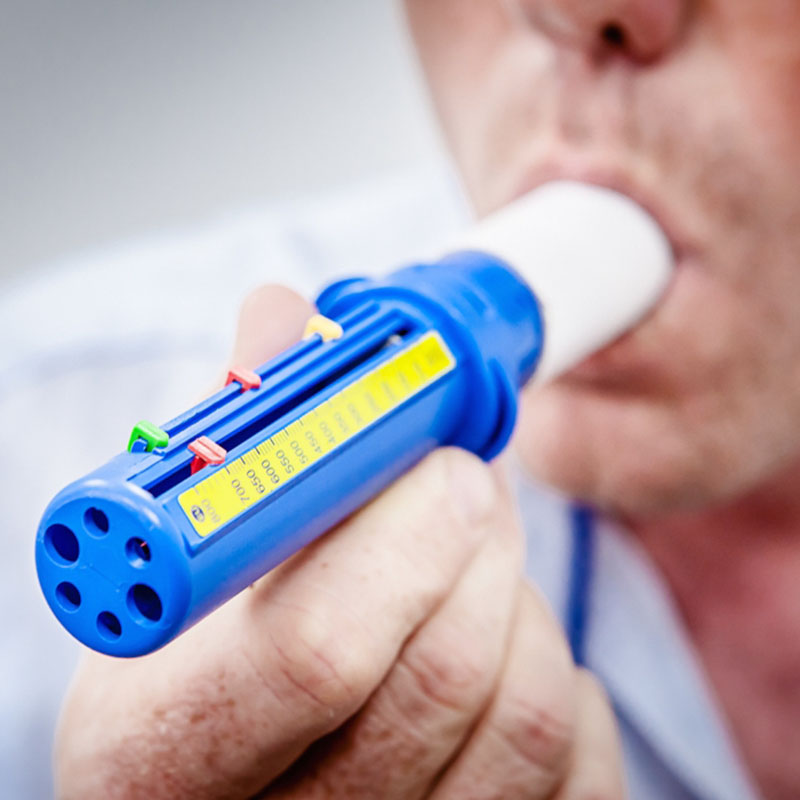
Peak Flow Meter Test
The Peak Flow Meter is a simple, handheld device used to measure how fast air can be expelled from the lungs. This test is especially useful in asthma management, as it helps detect airway narrowing before symptoms appear.
Regular peak flow monitoring allows our specialists—and patients—to track changes in lung function, adjust medications when needed, and respond early to asthma flare-ups. It’s an essential tool for day-to-day asthma control and long-term disease monitoring.
